
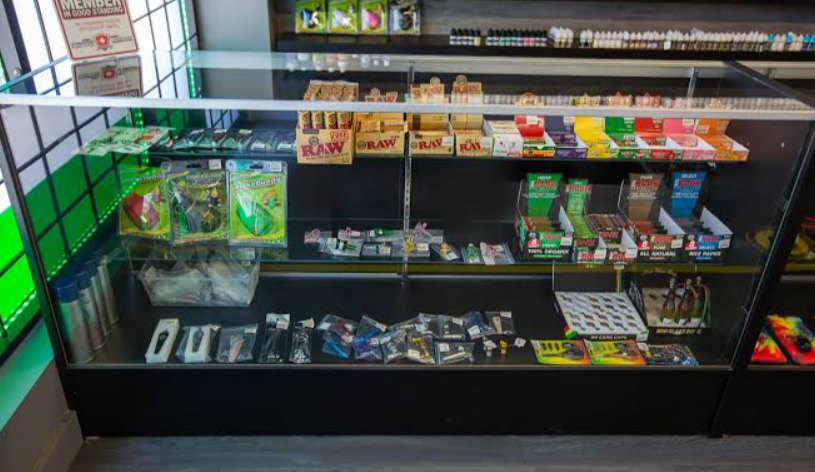
Every specialty retailer makes great products which help them unique differentiate. But customers do not only select a store for its products – the store itself affects people’s perceptions of the quality, values and reliability of the products. It doesn’t just create a distinct brand personality. It also establishes the direction of a brand. Such a brand enables customers to know what a brand is and whether it is relevant to their needs.
Even details such as store colours, packaging, and employee interactions with customers can make a difference in the competitive retail landscape. For instance, before choosing a shop, a person looking for Canadian smokes might not just consider product selection. They may also consider clarity of information, service uniformity, and how clean the company is. All these details will effectively make an impression, either helping or hurting a customer’s purchase decision.
What Brand Identity Means in Specialty Retail
Brand identity means everything that a business is. This includes the little details that are noticeable and can do. These aspects don’t just include its name and logo. They also include colour scheme, packaging, layout of stores, tone of communication and approach to customer service. As all of these work in harmony, customers may identify the retailer. Not to mention, they can have a better understanding of what to anticipate.
Creating a retail image might not resonate with all customers or match the stores’ attributes. This is because specialty retailers may attract customers with particular interests or needs. For instance, a store selling art supplies can be seen as a dumpster with coordinate contents, information explaining the products, and showcasing areas for various creative endeavors. This will cause the buyers to have more clarity about why they need to investigate the store and look into the different products that were offered in the store.
Key Factors That Influence Consumer Choices
There are various components that make up a specialty retailer and each one of them can play a role in shoppers’ assessment and where they will spend their cash.
- Visual consistency
- Clear communication
- Customer service
- Store experience
- Brand values
Developing Trust and Promoting Repeat Sales
People don’t simply ‘trust’ just because it’s pretty. A customer’s reason to return is warranted when they get reliable service. Positive interactions can also lead to recommendations to friends and family that can contribute to the retailer developing relationships outside of individual sales.
By paying attention to consumer feedback and pinpointing recurring issues, specialty retailers can improve these connections. They could help to clarify information when customers have trouble making comparisons. Such changes indicate that the business puts in effort to respond to the needs and provides value to their customer by doing so.
In conclusion, brand identity affects the consumer’s choice by affecting perceived value and trust. For specialty retailers, having a clear identity can be very helpful to consumers to understand what is relevant to them. Plus, it enables better and more confident buying decisions. When customer service always matches the promise of their experience, it translates to lasting value.